Kirkus Reviews
Literary Press
Modern Prometheus: Emergence — Starred Review
"A page-turning cautionary tale… an SF saga that's equally rousing and poignant."
Award-Winning Science Fiction & Psychological Thriller
Author · Publisher · Clinical Social Worker
Explore the Books"A gritty, haunting dystopian sci-fi novel... powered by rich world-building, powerful characters, and timely social commentary."
— Pacific Book Review
About the Author

J.M. Erickson is an independent author, publisher, clinical social worker, and school counselor whose work blends science fiction, dystopian fiction, psychology, philosophy, and social commentary. Based in Massachusetts, Erickson has earned recognition from Kirkus Reviews, Readers' Favorite, Foreword Reviews, Literary Titan, the International Impact Book Awards, and the Los Angeles Book Festival.
Erickson earned a bachelor's degree from Boston College with studies in psychology and sociology, a master's degree from Simmons University School of Social Work, and postgraduate certifications in psychological trauma, clinical assessment, and treatment from Boston University. His professional background produces complex characters, realistic psychological conflict, and nuanced explorations of ethics, trauma, identity, and human behavior.
His fiction resonates with Melville, Hemingway, and Shelley — sharing their obsession with the shadow side of progress and the isolation of the individual.


Latest Release — 2026
The Heart of Darkness Science Fiction Collection
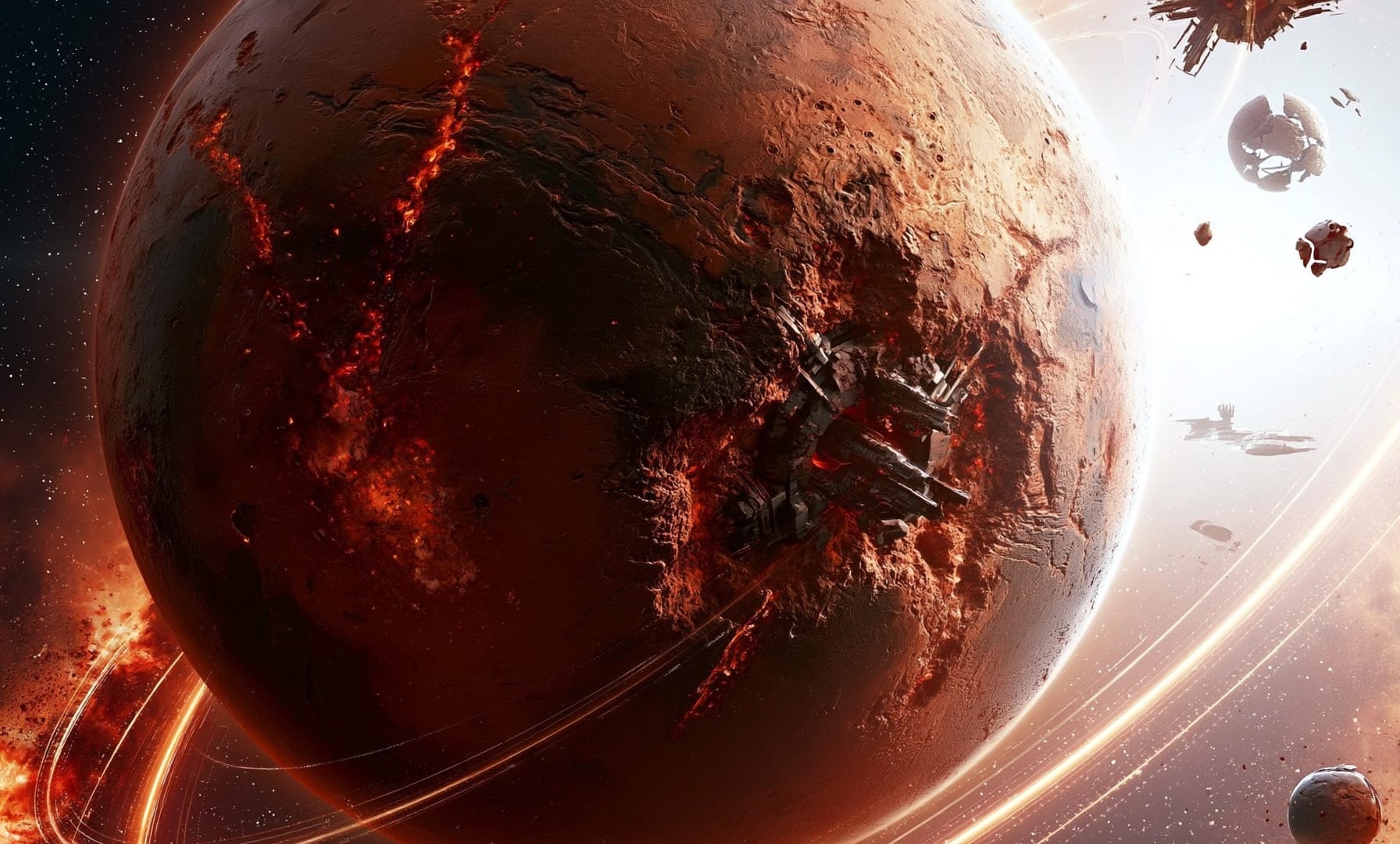
An epic 696-page dystopian collection published by Emergency Comms Press. Bringing together Endless Fall of Night, Heavy Weight of Darkness, Deadly Going Dark, and Hunting Armed Men into a sweeping narrative examining imperialism, class division, racism, slavery, and resistance across Earth and Mars in the year 2126.
View on Amazon"A gritty, haunting dystopian sci-fi novel... powered by rich world-building, powerful characters, and timely social commentary."
— Pacific Book Review
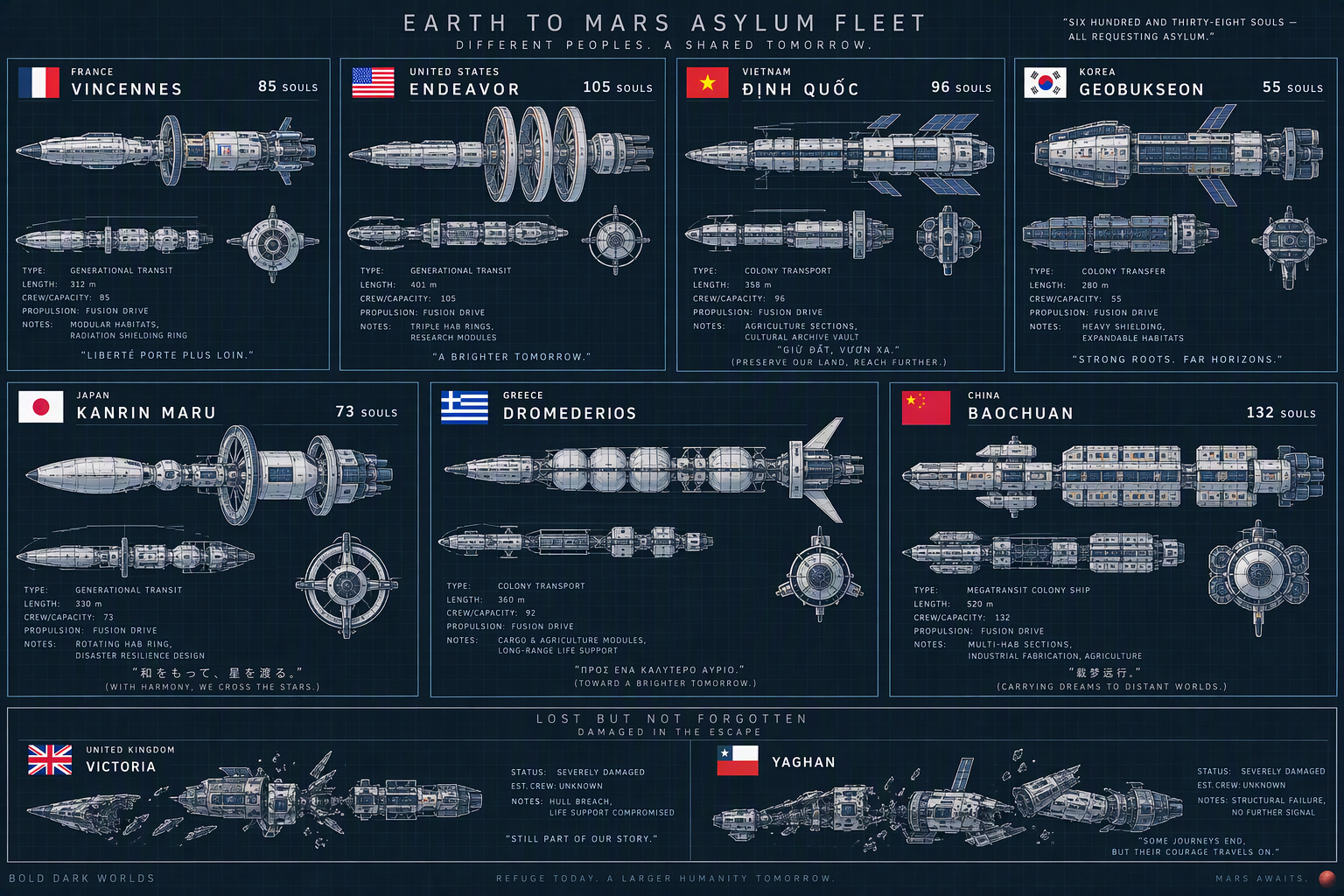
Mars Asylum Convoy
Explore the Fleet — Ship Schematics
View Prototypes & Actual Fleet →
Birds of Flight Series
Action, espionage, and government conspiracies following Alexander Burns through betrayal, loyalty, and redemption.
The Works
Set in a dystopian future spanning Earth and Mars, this series examines authoritarianism, racism, colonialism, resistance, and personal transformation. Central to the saga is Cassandra IX, a disgraced patrician whose journey challenges the foundations of an oppressive regime.
A dystopian saga following scientist Lt. Jose Melendez, who awakens from cryogenic suspension more than 150 years in the future, discovering a radically transformed society embroiled in struggles involving artificial intelligence, gender politics, social control, and the meaning of humanity itself.
Combining action, espionage, psychological suspense, and government conspiracies, this series follows Alexander Burns and a cast of complex characters navigating betrayal, loyalty, justice, and personal redemption.
A thought-provoking science fiction series exploring the collision of faith, technology, and power. From revelations to apocalypse, the series charts humanity's reckoning with forces beyond its control.
An award-winning collection of science fiction stories exploring alternate realities, alien civilizations, rogue planets, and humanity's future. Largely set in New England, weaving together themes of science, imagination, and human connection.

New Award
Manhattan Book Award — Bronze Winner
Bold Dark Worlds has been recognized by the Manhattan Book Awards (2026) — adding to J.M. Erickson's growing list of honors in independent science fiction.
Recognition








International Impact Book Awards Winner
Endless Fall of Night — Science Fiction/Fantasy, Dystopian Stories
Literary Titan Gold Book Award
Endless Fall of Night & Heavy Weight of Darkness
Los Angeles Book Festival Winner
Endless Fall of Night
Feathered Quill Book Awards Silver
Endless Fall of Night
Best Indie Book Award Winner
Time Is for Dragonflies and Angels
Readers' Favorite Gold Medal
Time Is for Dragonflies and Angels
Foreword Reviews INDIEFAB Recognition
Future Prometheus & Intelligent Design series
Press Coverage
Kirkus Reviews
Literary Press
Modern Prometheus: Emergence — Starred Review
"A page-turning cautionary tale… an SF saga that's equally rousing and poignant."
Kirkus Reviews
Literary Press
Endless Fall of Night — Reviewed
"Erickson's dystopian Mars saga continues with psychological depth and relentless momentum."
Pacific Book Review
Literary Press
Bold Dark Worlds — Five-Star Review
"A masterful reimagining of Conrad's Heart of Darkness set on a dystopian 22nd-century Mars."
Literary Titan
Literary Press
Literary Titan Gold Book Award
The Book Review Directory
Literary Press
Bold Dark Worlds — Editorial Review
"Combines speculative world-building with a serious examination of social inequality and injustices… readers who enjoy politically engaged fiction and complex stories may find this dystopian fiction particularly compelling."
Patch Andover
Online
Andover Author Earns Kirkus Star
"Andover author J.M. Erickson has earned the Kirkus Star for Excellence for Modern Prometheus: Emergence — Kirkus Reviews' highest designation, awarded to fewer than 10% of reviewed titles."
Patch Andover
Online
Reading Fiction Is Good for Your Mental Health — Here's the Science
"Reading fiction is not an idle luxury. It is a controlled, evidence-based simulation where the mind learns to feel deeply while remaining organized and grounded."
Self-Publishing Review
Literary Press
Bold Dark Worlds — Editorial Review
"The scale and raw power of this series are palpable, balancing dramatic action and space opera immersion with provocative themes and potent moments of revelation — an impressive standout in the genre."
Bold Dark Earth Saga
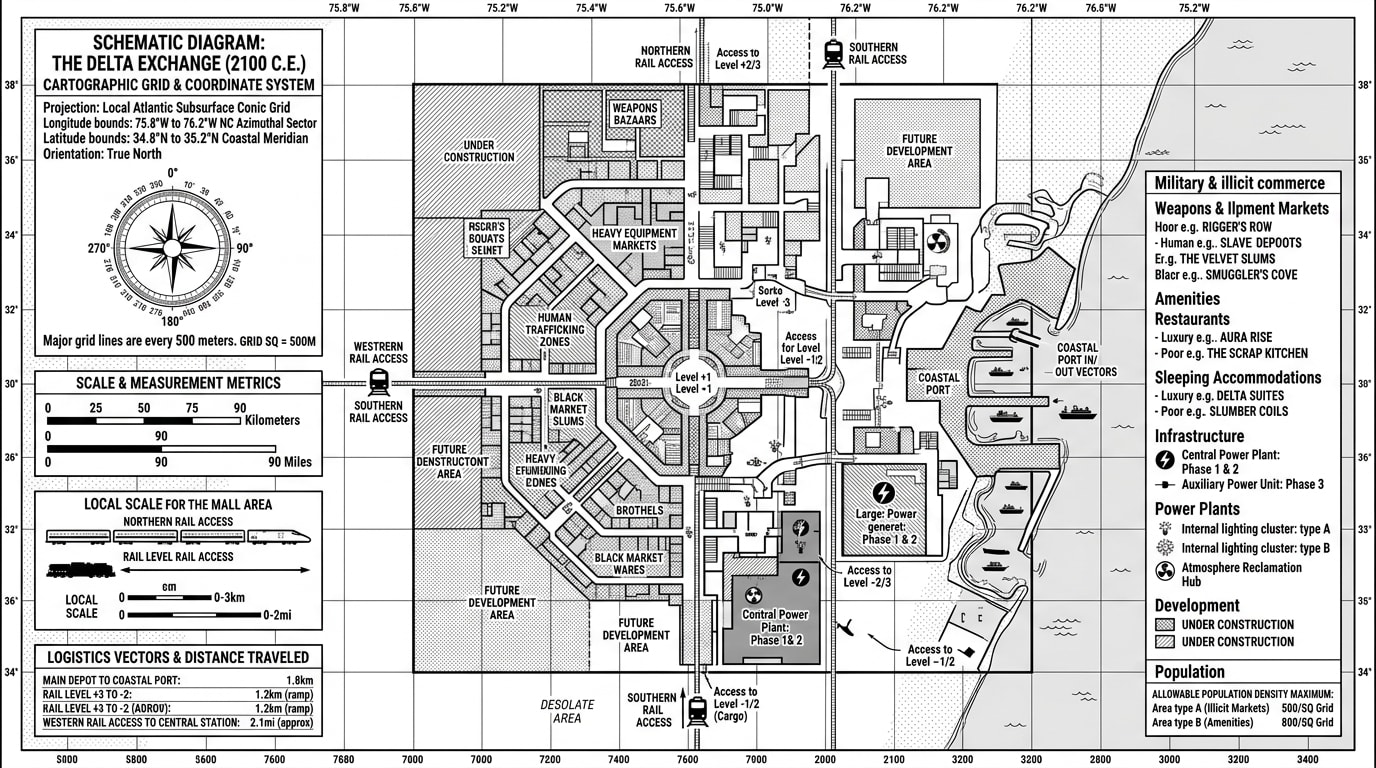
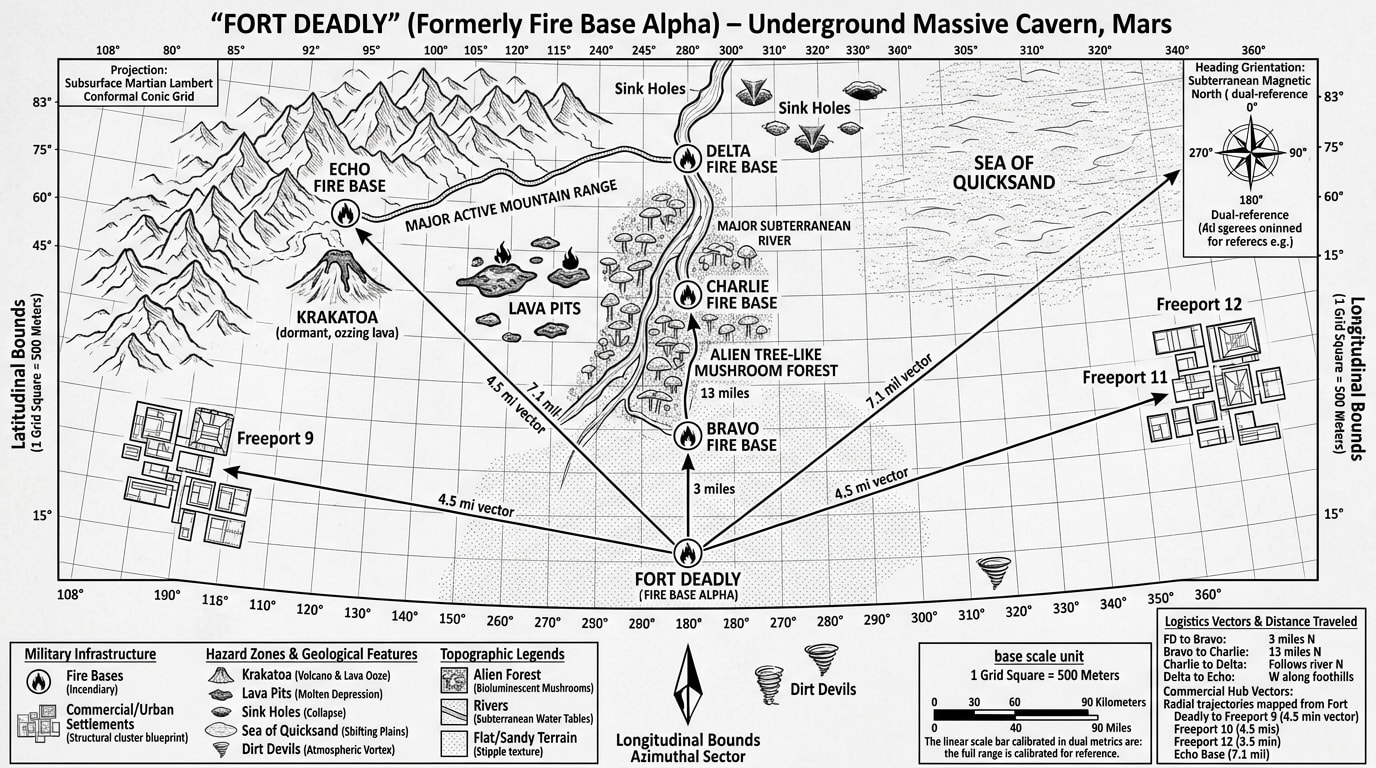
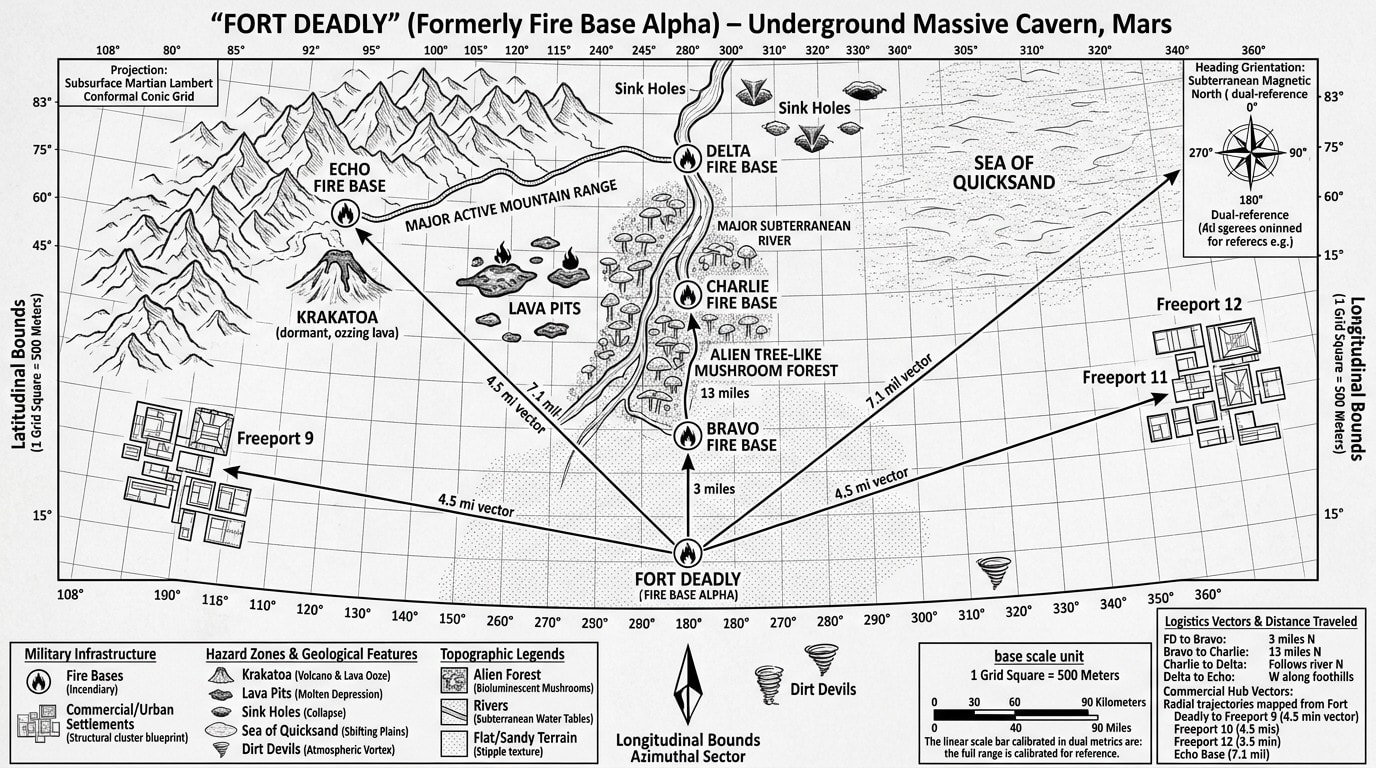
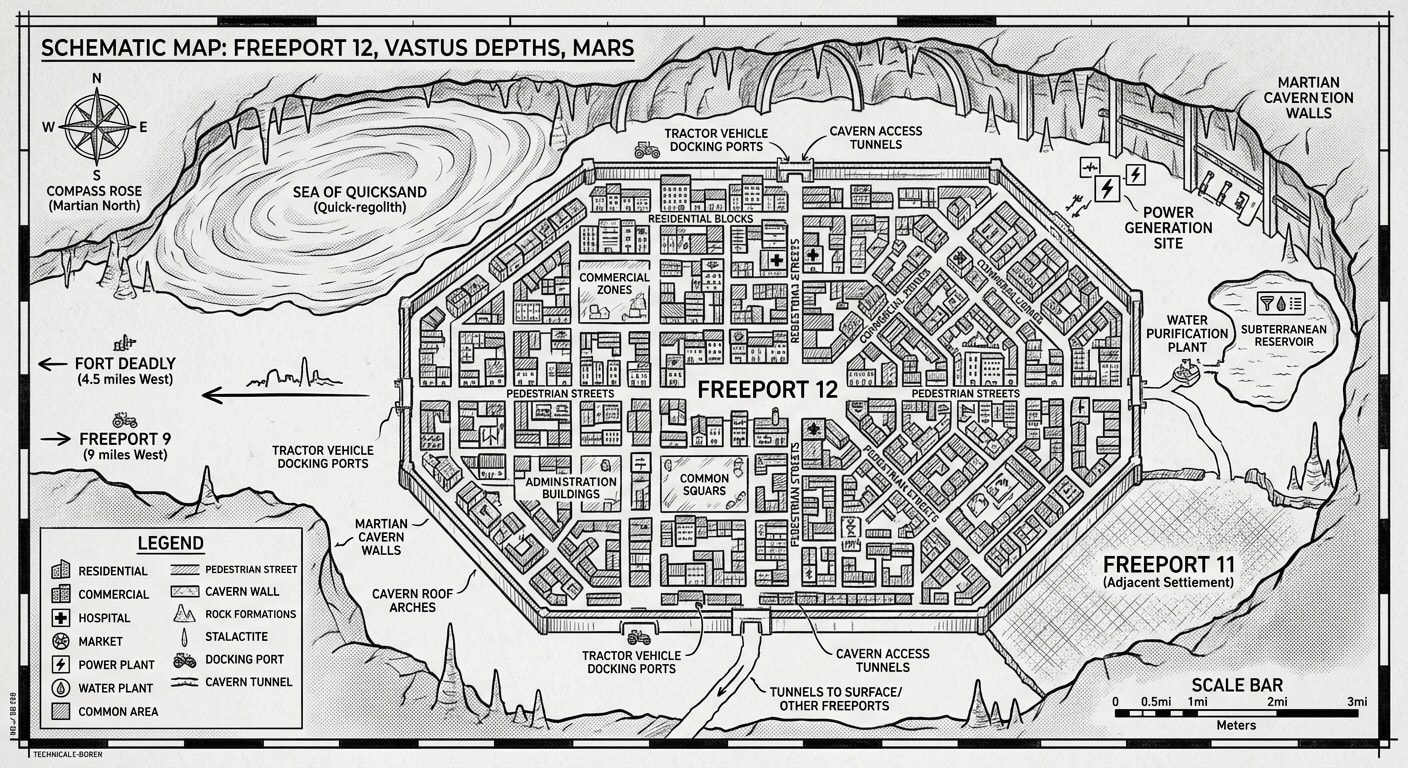
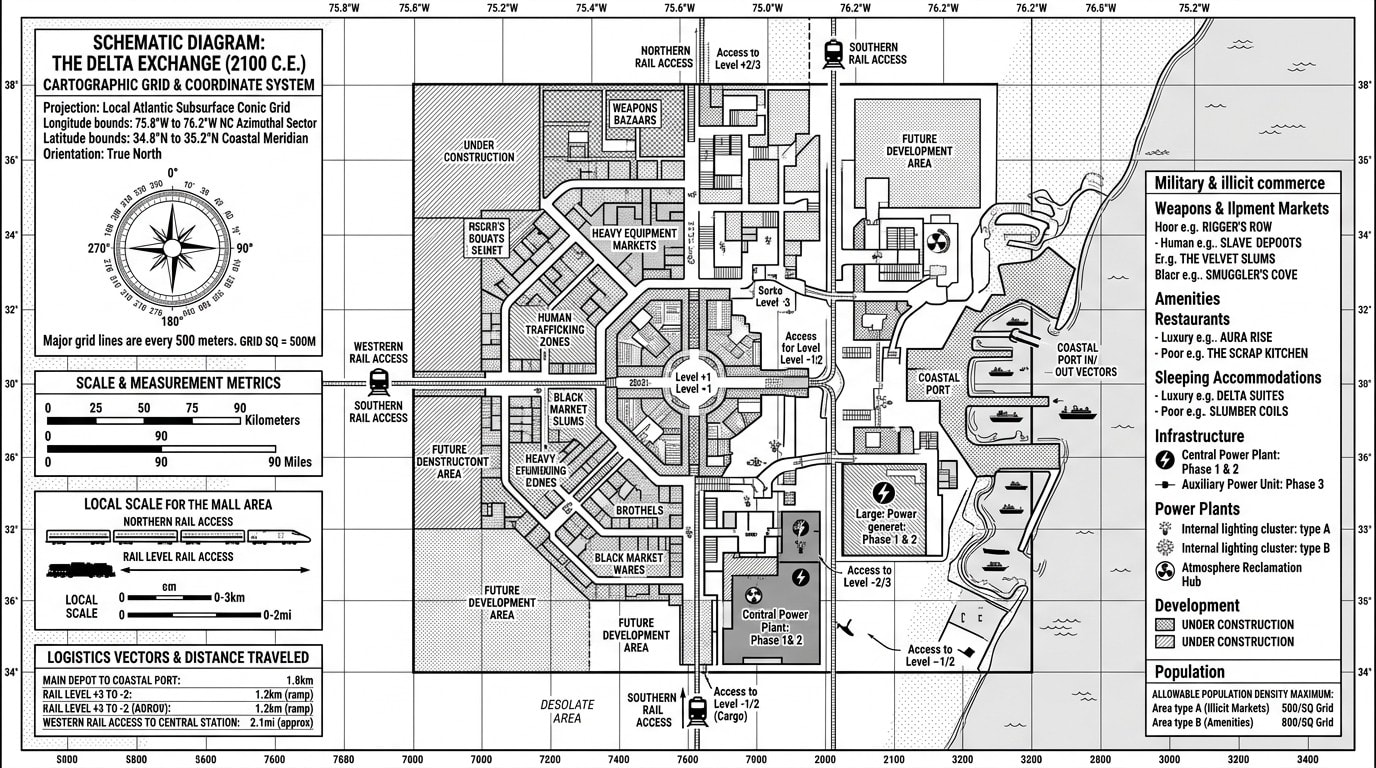
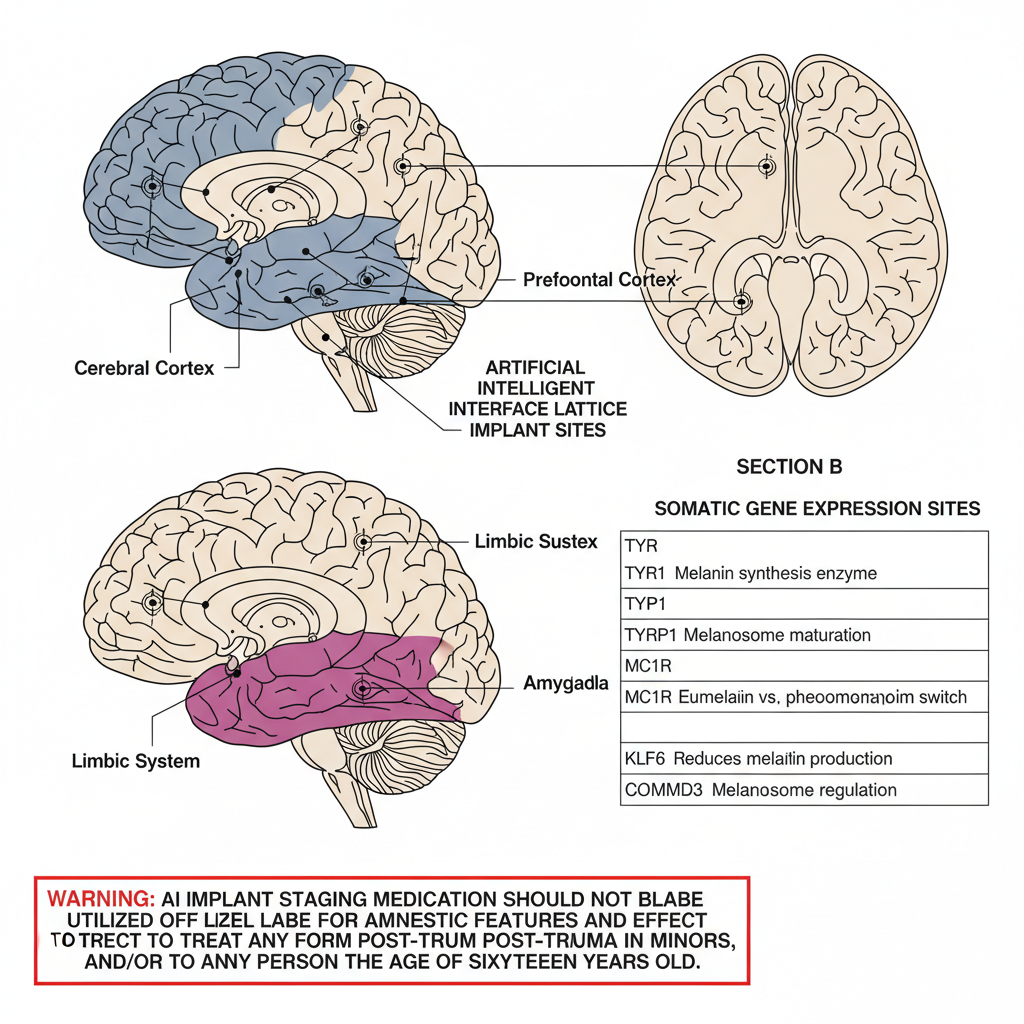
Technical documents, world maps, and classified schematics from the universe of the Bold Dark Earth Saga — published by Emergency Comms Press.


About the Publisher
Bold Dark Worlds — Available Now
Emergency Comms Press is the independent publishing imprint of award-winning author J.M. Erickson, publishing science fiction, dystopian fiction, psychological thrillers, and nonfiction that explore humanity, technology, power, and the future.
Founded on a commitment to creative independence and professional-quality publishing, ECP is home to the Birds of Flight, Future Prometheus, Intelligent Design, and Bold Dark Worlds series, along with a growing catalog of original works.
Thought-provoking stories. Bold ideas. Independent publishing.
The transition of the Brave Dark Worlds series to Emergency Comms Press marks a significant moment for fans of the franchise. This is not a simple reprint — it is a structural reimagining of a saga that has defined its genre. By consolidating the previous entries, ECP creates a seamless narrative arc across four foundational titles.
Endless Fall of Night established the atmospheric stakes of patriarchal societies on two separate worlds. Heavy Weight of Darkness delivered the visceral, high-stakes expansion of both worlds' conflict. Deadly Going Dark adds the background of events through Lt. Commander David Strong's perspective on the events of Endless Fall of Night and Heavy Weight of Darkness. Hunting Armed Men provides the concluding chapter of the original trilogy — one world's sunset and another world's sunrise.
The most compelling draw for returning readers is the additional 260+ pages of new content. Expect background reports, fresh perspectives, expanded dossiers on the Armed Men, and a deeper dive into the societal structures and unexpected bonds that existed before the Endless Fall. The new material focuses on the exact transition point — the moment one civilization's lights went out and a new, perhaps more brutal, reality began to dawn.
The move to ECP signals a shift in the series' visual and tactile identity. Given the publisher's name, expect a utilitarian, found-document aesthetic. In a series about world-ending transitions, the medium is the message. Emergency Comms Press positions the physical book as a piece of salvaged history — a manual for surviving the dark. We can hope for peace in our time.
Stay Connected
Learn more about J.M. Erickson, his books, publishing projects, news, and upcoming releases through his official websites and social media presence.